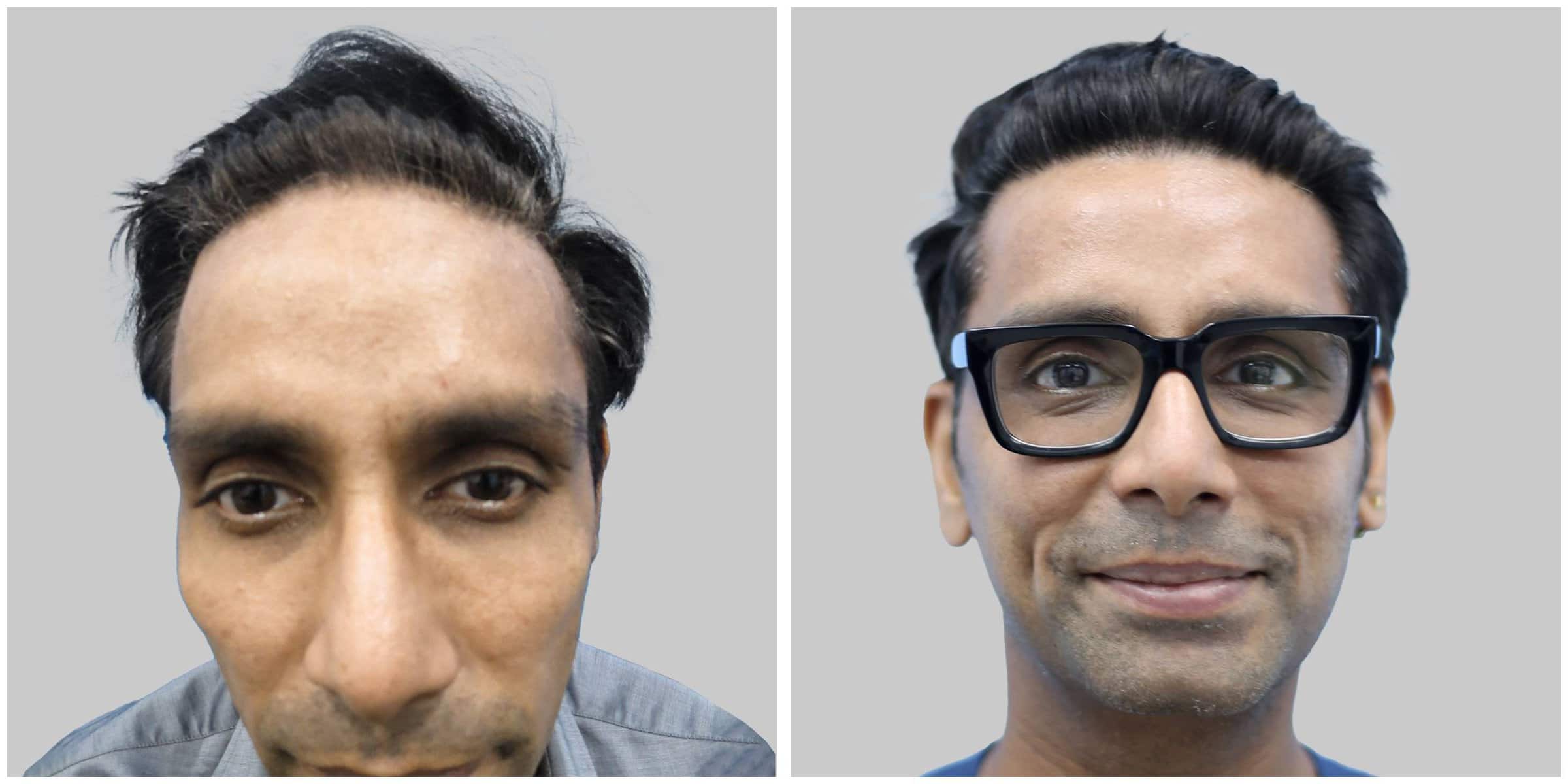
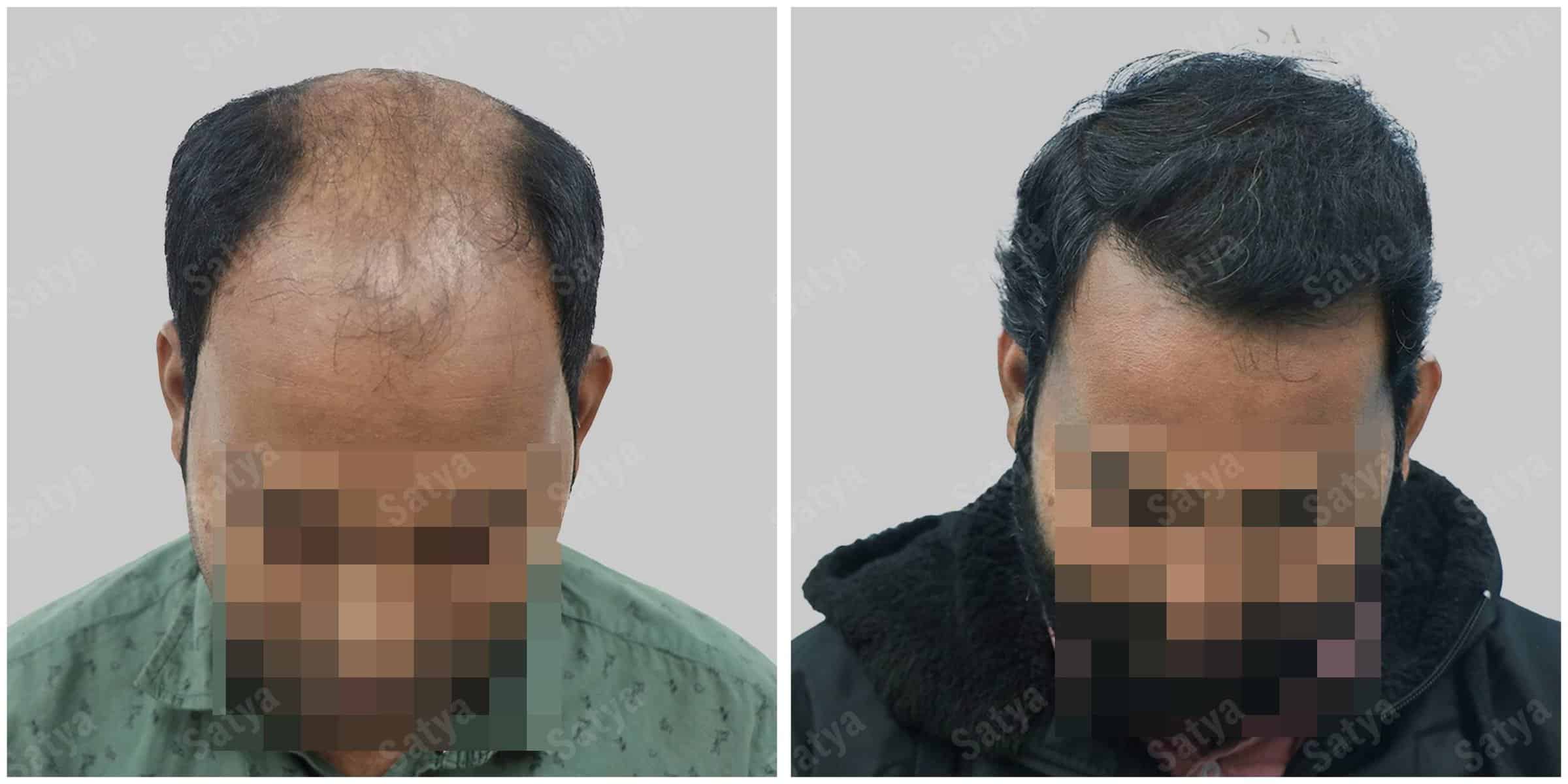
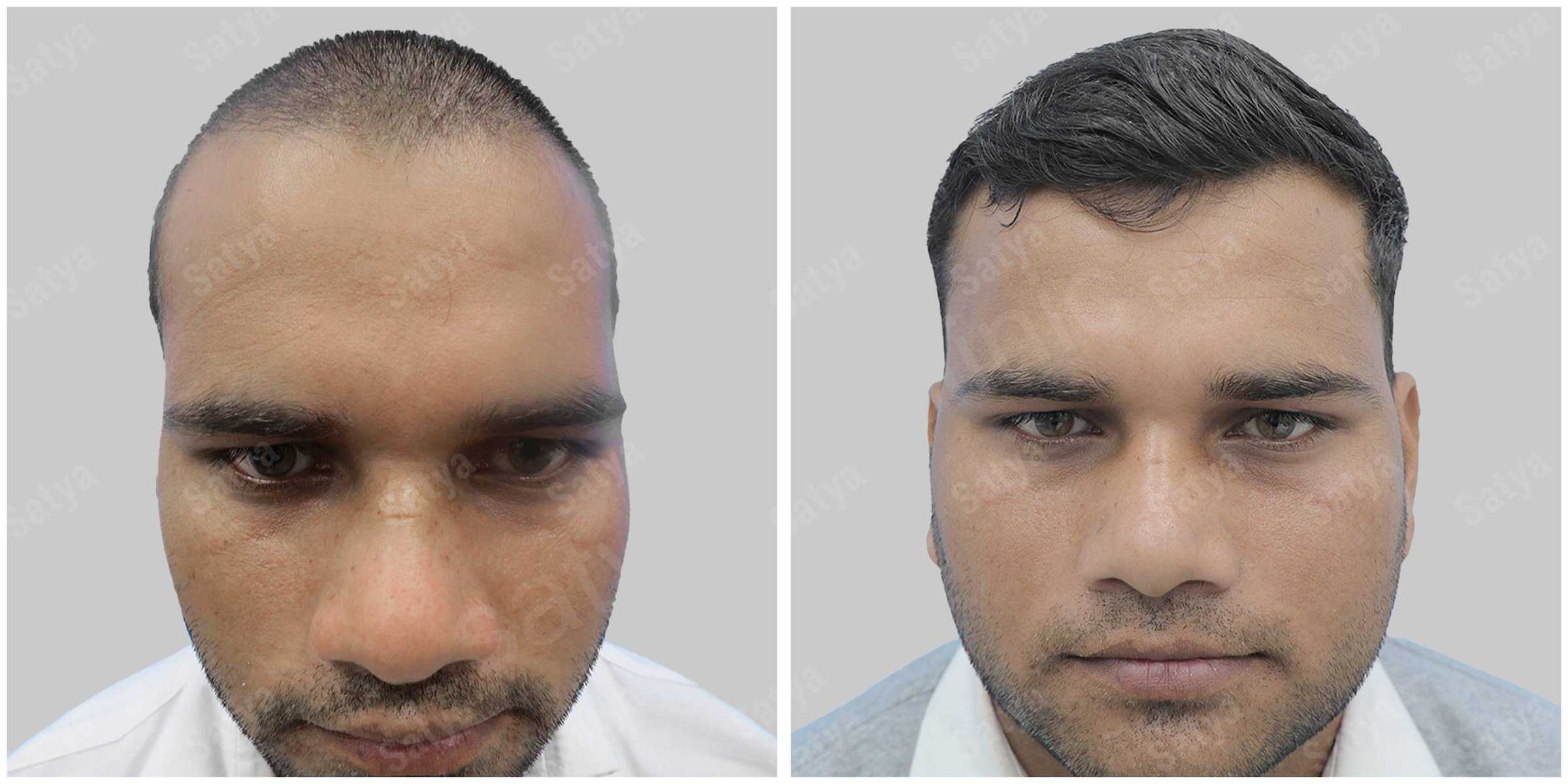
Hair transplant repair versus finasteride repair:
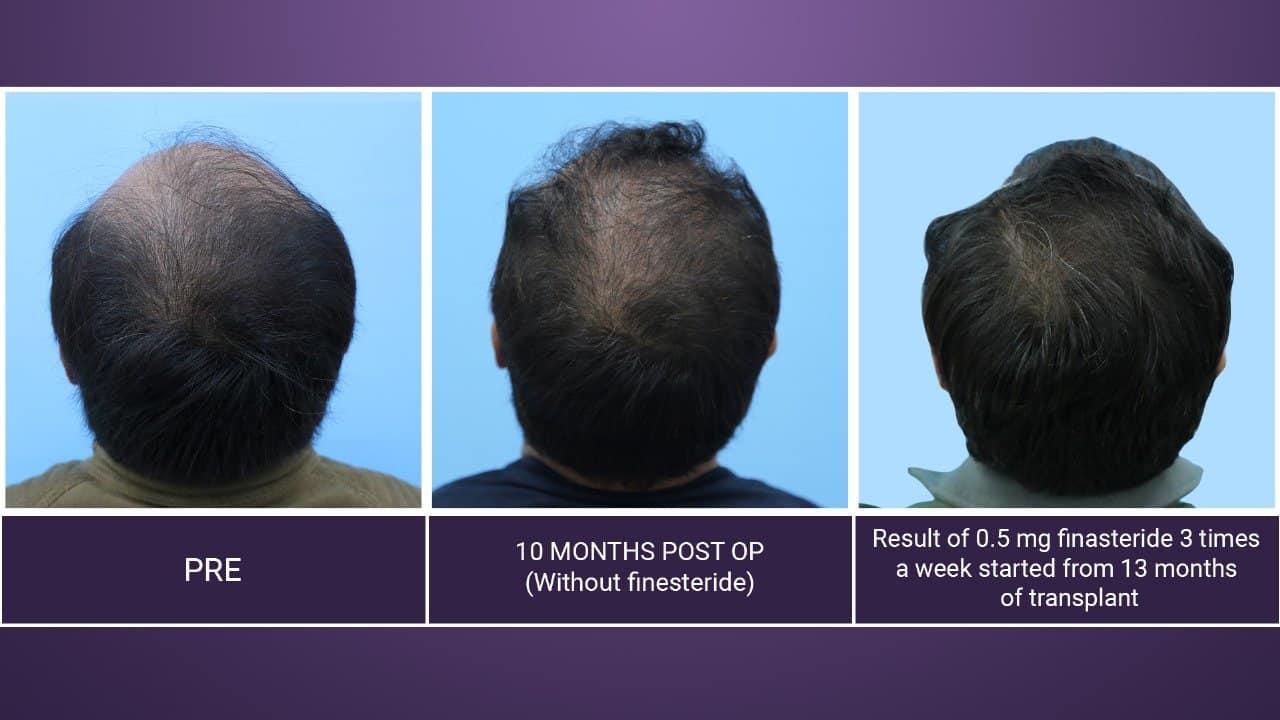
With the increasing number of hair transplants which is being performed worldwide, it’s no surprise that the high demand for corrective hair transplants is also on the rise. Many of the patients have undergone multiple hair transplants, which leads their donor area at risk. Therefore, it is very crucial to choose the right method and right surgeon for hair transplant repair surgeries, as there is very little room for error in crucial case. Some patients who seek repair transplants have previously undergone hair transplant surgeries that resulted in exhausted donor area with poor density, depending on the number of grafts taken. These patients often require a significant number of grafts due to progressive baldness. However, many clinics worldwide only offer a limited number of grafts through the FUE (Follicular Unit Extraction) technique, or sometimes in some cases FUE is not possible at all.
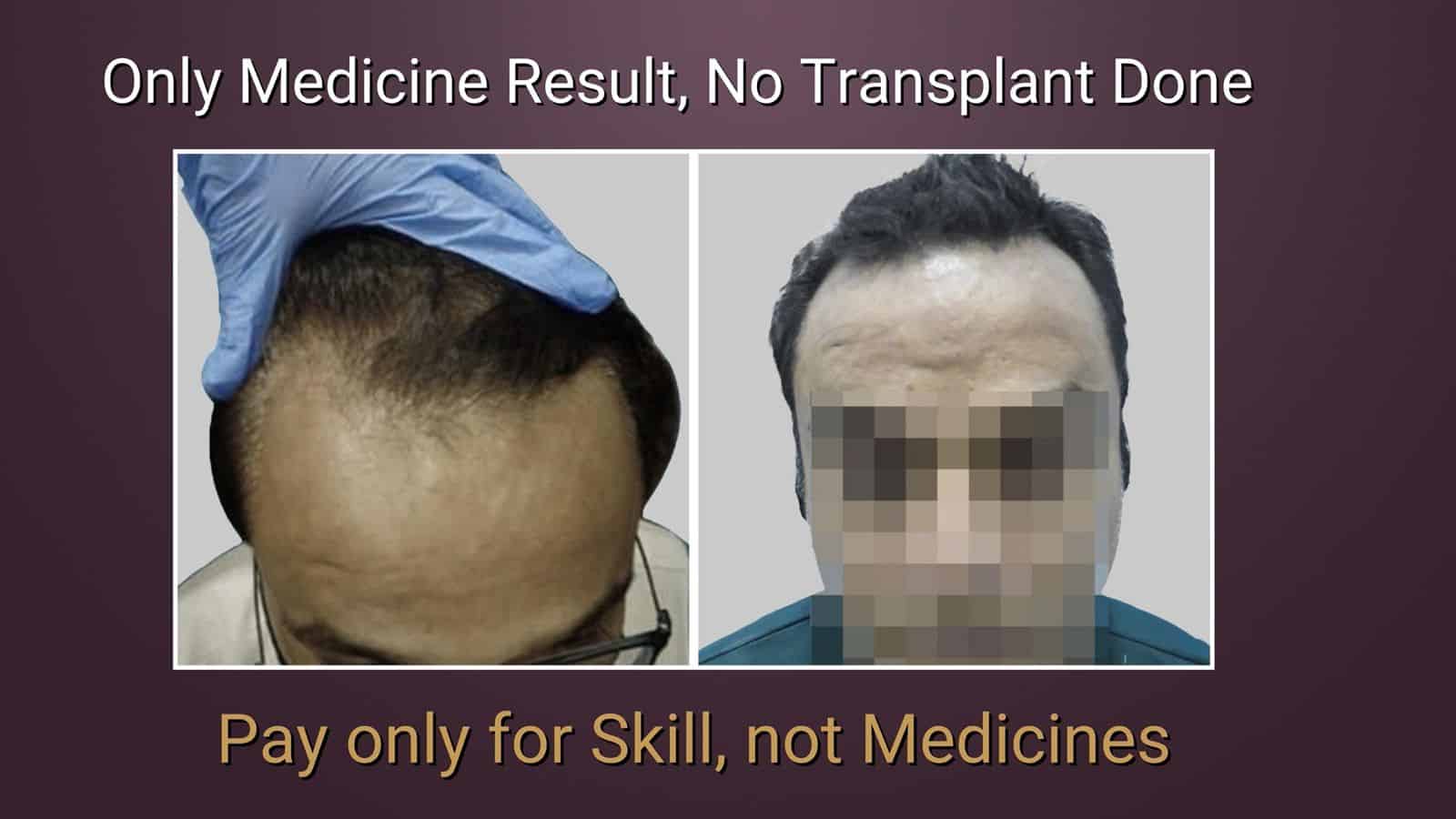

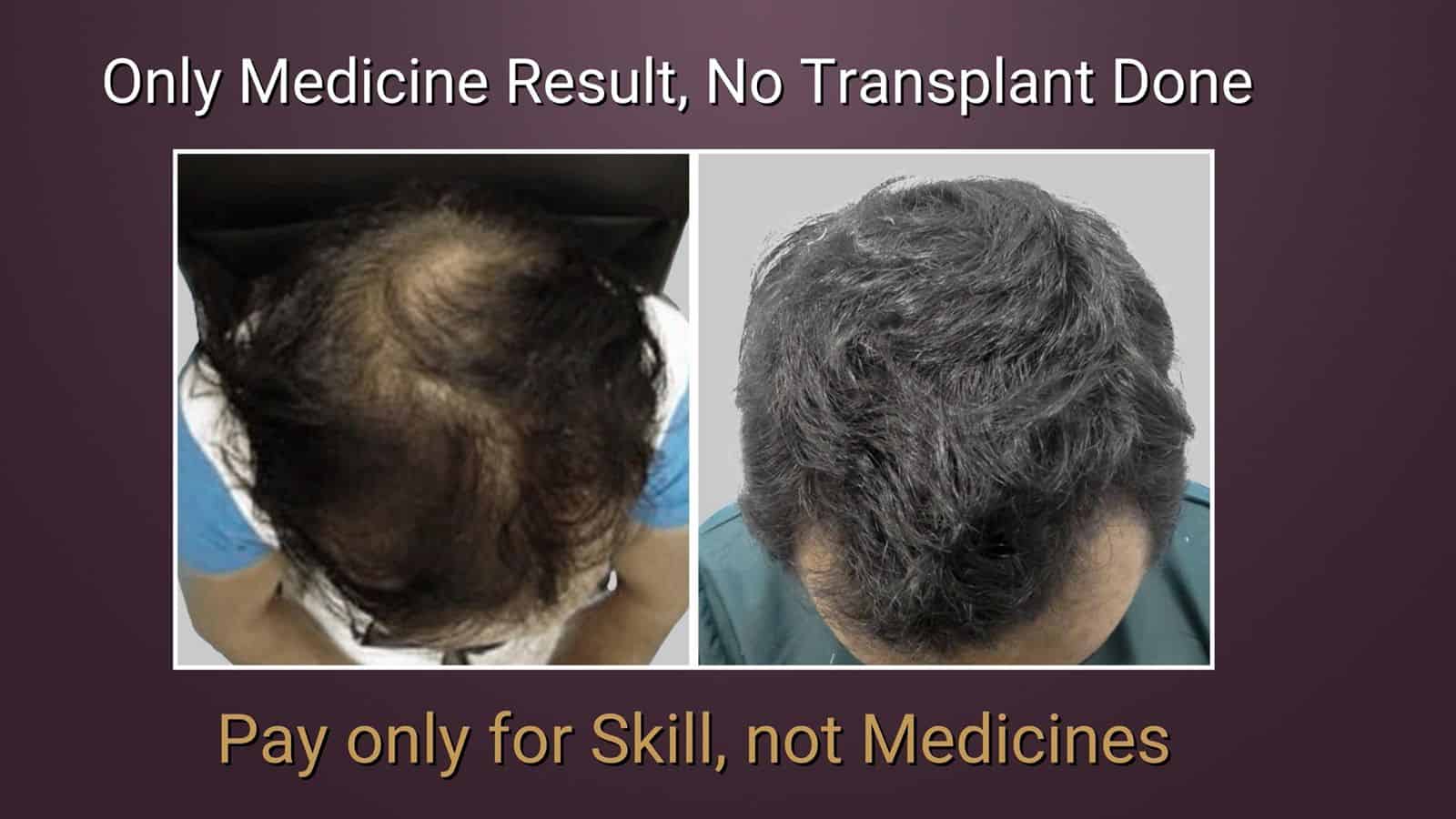
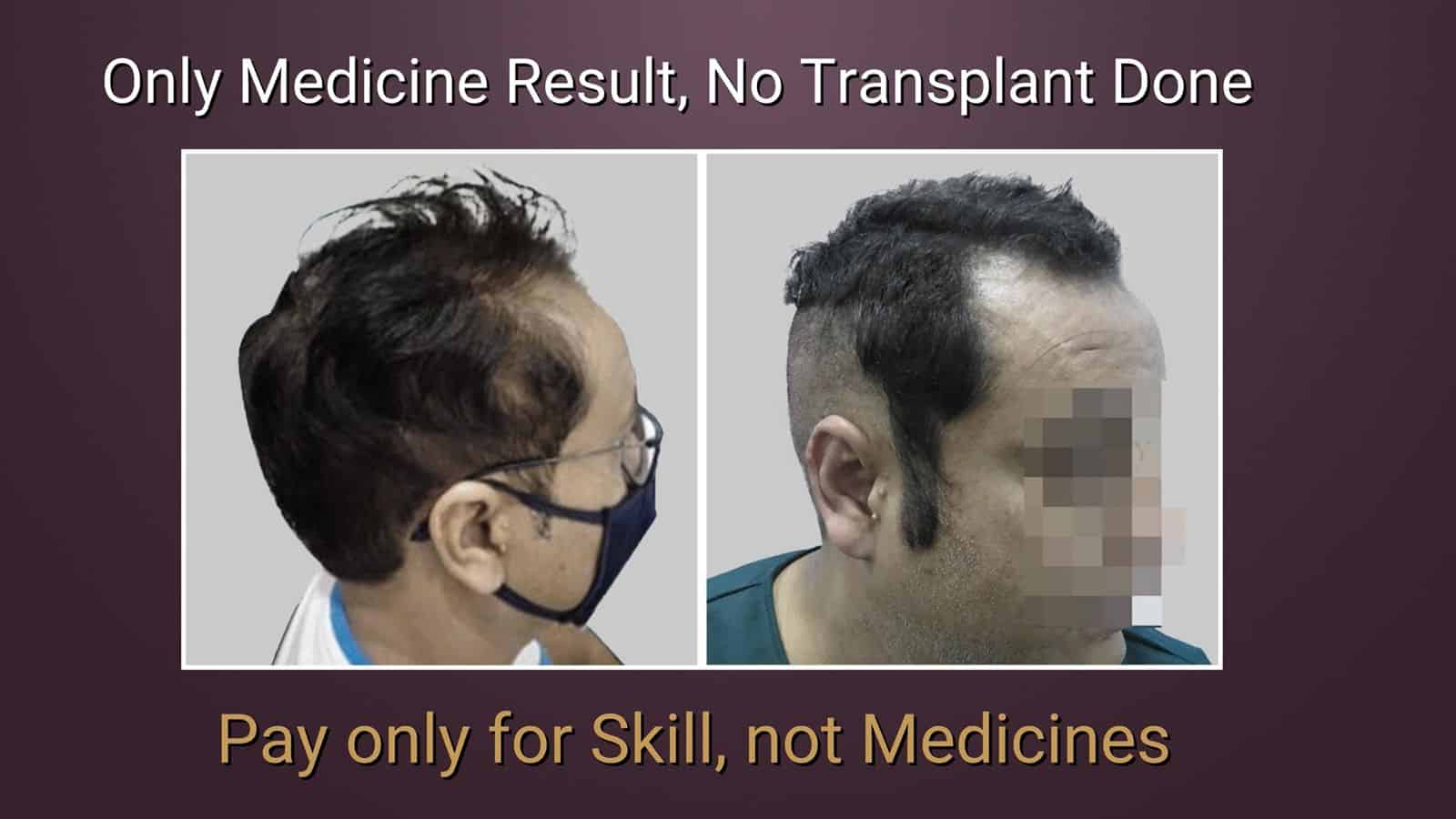
However , we frequently come across cases on the social media where repair hair transplant surgeries were performed using FUE alone and achieved excellent results. While it may appear that the surgeon’s skill is responsible for these outcomes, most of these results are actually due to the use of finasteride which is a natural DHT (dihydrotestosterone) blocker that promotes new hair growth. In such cases, the medicine plays a crucial role, and the surgical skill becomes less crucial. These examples demonstrate how finasteride can stimulate hair growth to such an extent that it overshadows the results of a hair transplant.
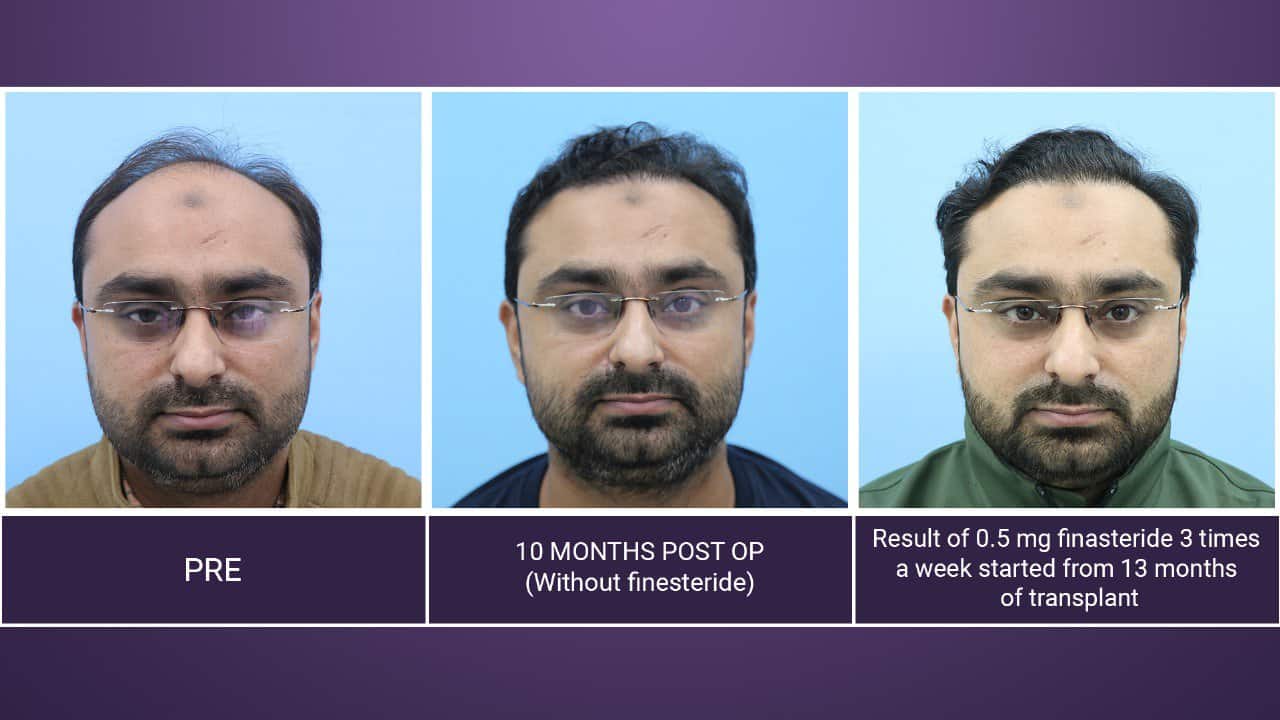
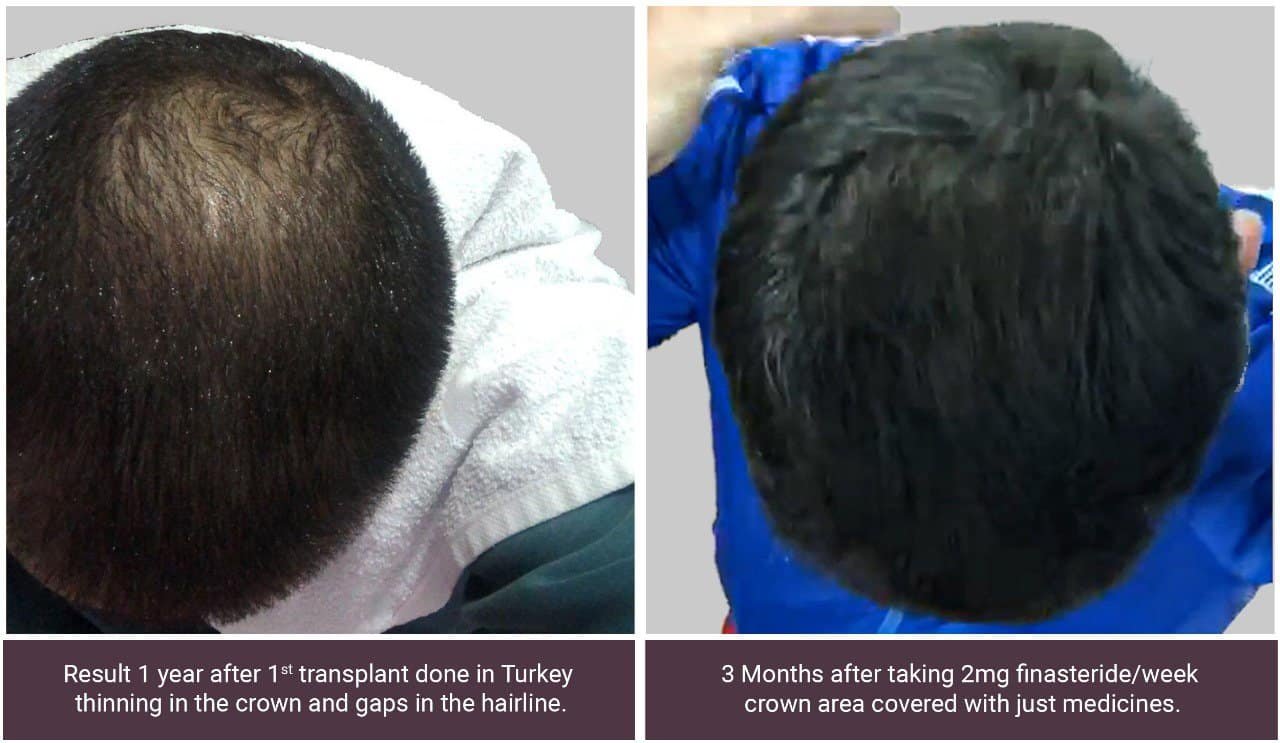
Similarly, you will see this patient where he approached us for a repair transplant and was suggested by another clinic to go for 3000 FUE grafts and 1MG for finasteride daily that means 7MG per week at a cost of 12,00,00 rupees. The patient had gaps in the previously transplanted hair and new areas of thinning in the crown region. Instead of a hair transplant, we prescribed a lower dosage of 2mg of finasteride per week. To our surprise, the gaps in the hairline filled in, and the crown region became completely covered without the need for a single graft. In such cases where the donor area has already been compromised due to previous FUE or FUT (Follicular Unit Transplantation) procedures, a repair transplant can prove highly beneficial by providing a significant number of grafts without compromising the density at the back of the head.
While choosing a surgeon or clinic for a repair transplant surgery, it is crucial to consider whether the surgeon only performs a limited number of grafts through the FUE technique. If so, they may not be the right choice for you. Additionally, if these transplants are performed alongside high doses of medication, you may end up paying more without gaining the desired results. Corrective hair transplant surgery is a challenging procedure that requires genuine skills, experience, resource management, imagination, and artistic abilities. All of these aspects can be overshadowed by medication, as seen in the previous examples. Therefore, it is essential to be aware of these facts and look for cases where the surgeon or clinic has achieved successful results with minimal or no medication.
When planning a hair transplant surgery, so many individuals contemplate whether to stabilize their baldness with medication first or proceed with the transplant and then start medication. To understand this, we must dig in deeper and comprehend the impact medication can have on the quality of your hair, including pre-existing hair in thinning areas, the donor area, and even the transplanted hair.
Let’s understand with a few examples:
In the first case, a patient was recommended 3500 grafts for hair loss that affected the middle portion of the crown and exhibited temporal recession. When inquired about medication, he was advised to take 1mg of finasteride daily. Due to time constraints, he couldn’t undergo a transplant surgery immediately. However, within 2 to 3 months of starting daily finasteride, he experienced excellent hair growth that effectively covered the entire affected area, eliminating the need for a hair transplant.
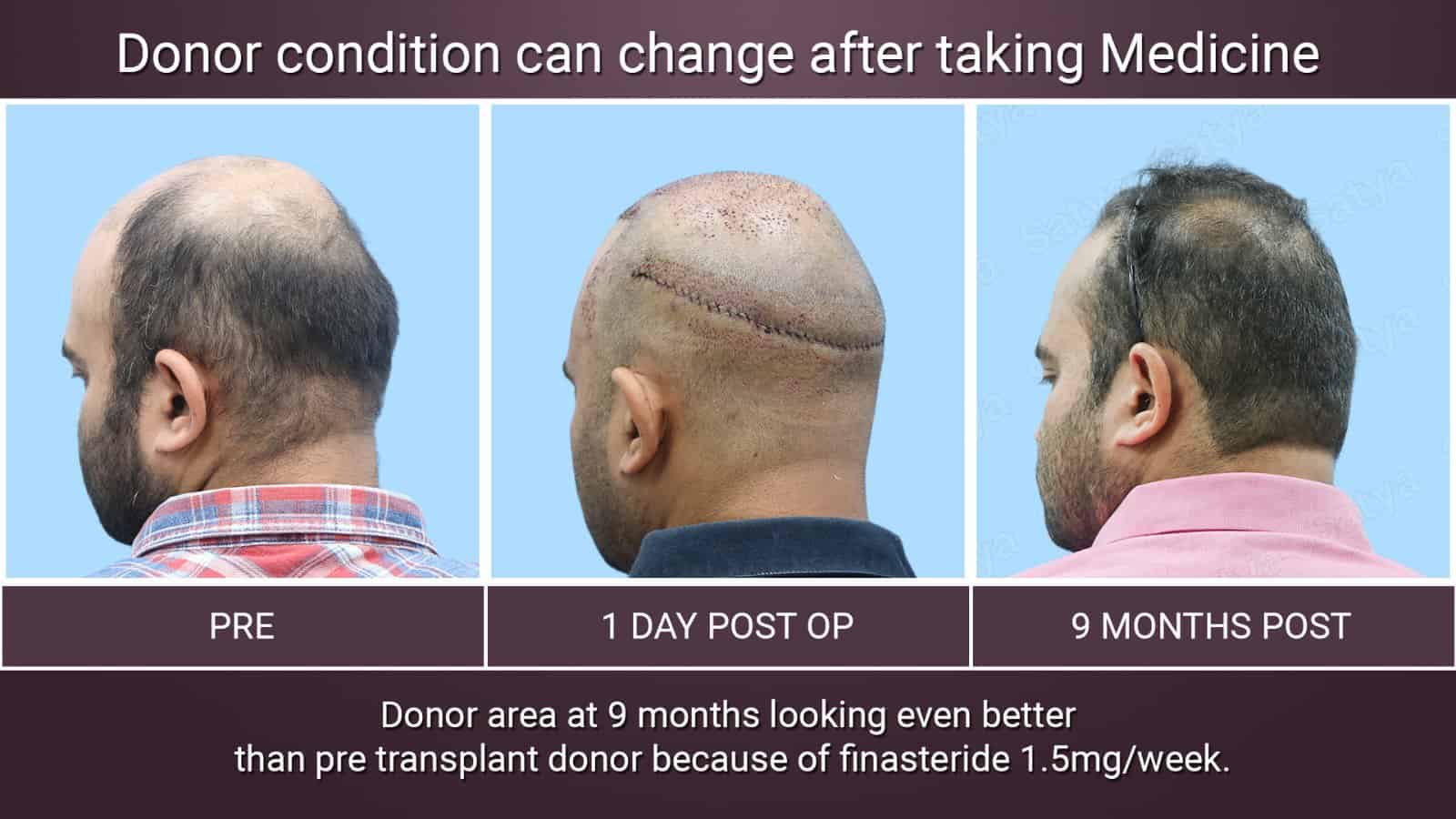
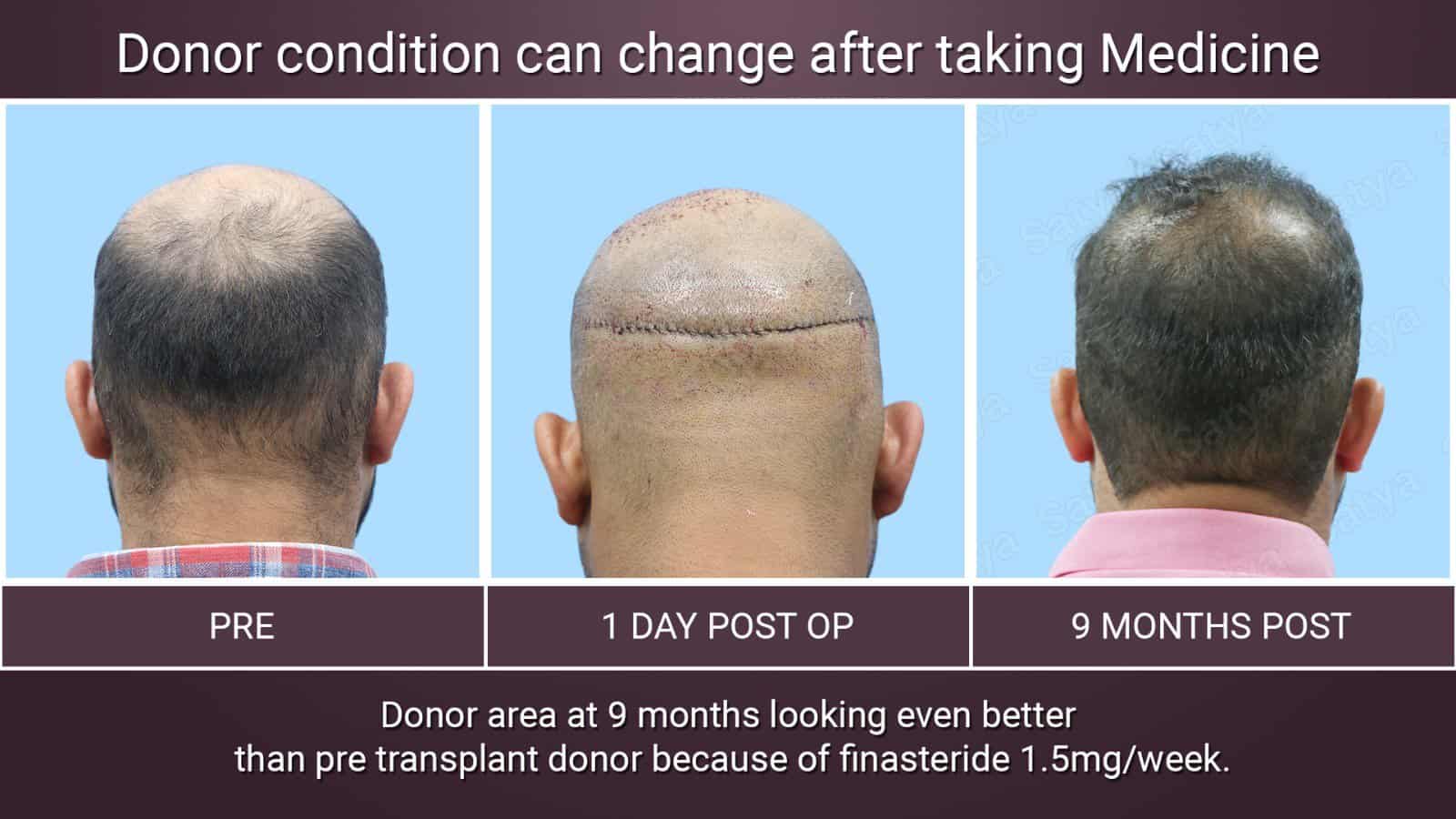
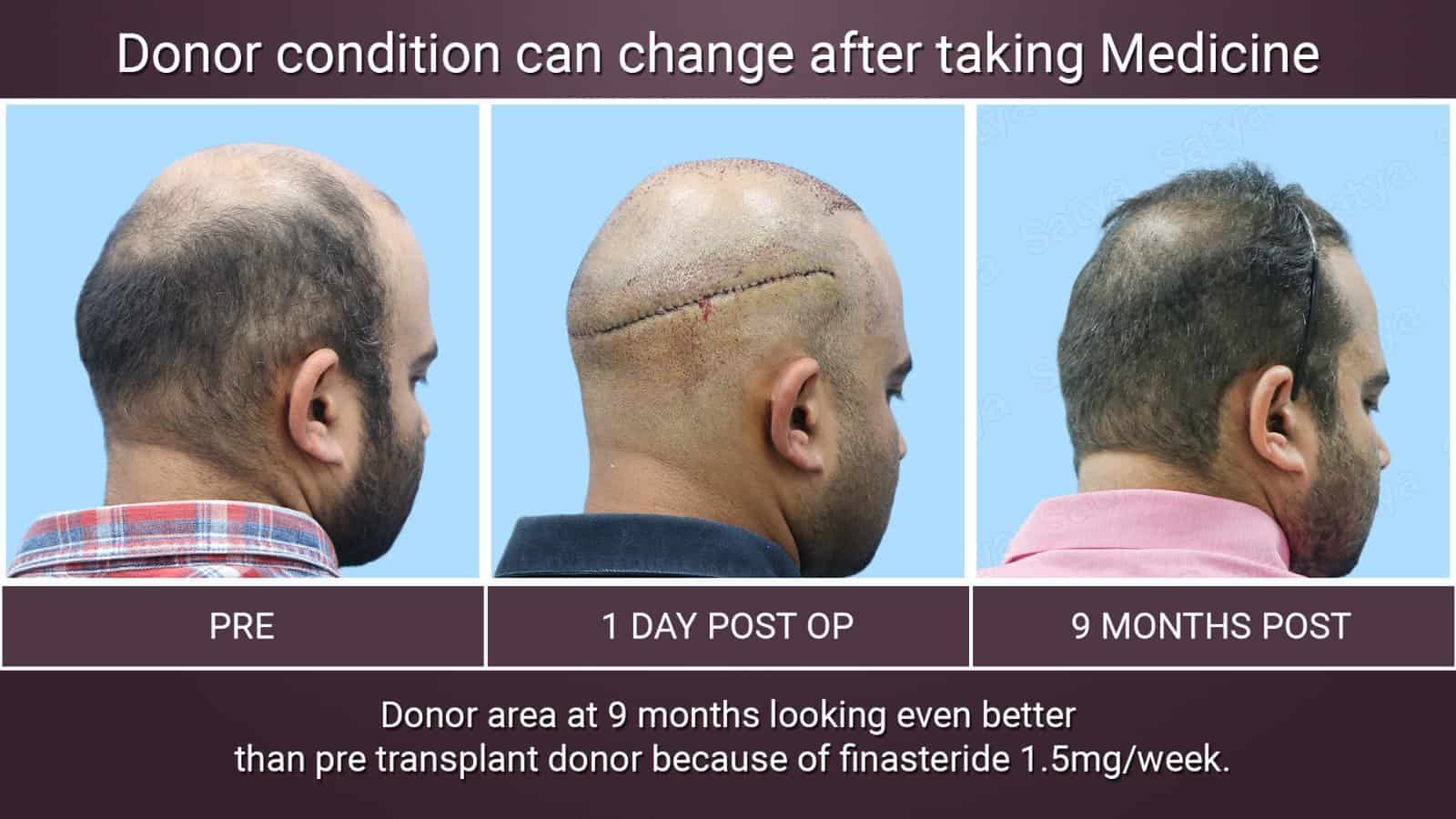
lets see another case, a combination of FUT and FUE surgery was performed on a patient with signs of retrograde or reverse alopecia. Despite the removal of a substantial number of grafts (around 3000 through FUT and 500-700 through FUE), the donor area showed improvement and appeared thicker and denser in the post-surgery picture taken nine months later.
This patient was prescribed a small dosage of 1.5mg of finasteride per week. Imagine the impact of a higher dosage, such as 1mg daily, which is commonly prescribed to hair transplant patients. The previously scarce hair, which became thicker with the help of medication, would have been extracted during the surgery, leading to temporary results. Moreover, medication can affect the non-transplanted areas and the miniaturized hairs present in the transplanted area, altering the overall outcome. If something goes wrong with the medication and the patient has to stop it, these hairs would be the first one to fall out, resulting in unsightly gaps.
In summary , if you are giving high doses of medicine that is around 1MG per day we should first give the medicine and shall not do I hair transplant. There is a very high probability. That 30 to 40% of these patients may not need a hair transplant. While we’re giving smaller doses of medicine, it is better to operate first so that we take the original donor hair out and place them in the most critical areas. If you understand the concepts of micro dosing of medication and the impact of medicine on various types of here present in recipient area, donor area, and even the transplanted area, you will be able to create the right roadmap for your hair restoration journey and remember hair transplant is not a destination. It is a journey and you have to plan it right to get it right.
Balanced hair transplant is the most customized and detailed approach in the hair transplant industry which meets all these needs

Book an appoinment
Consultation

Repair

Blog

Galleries