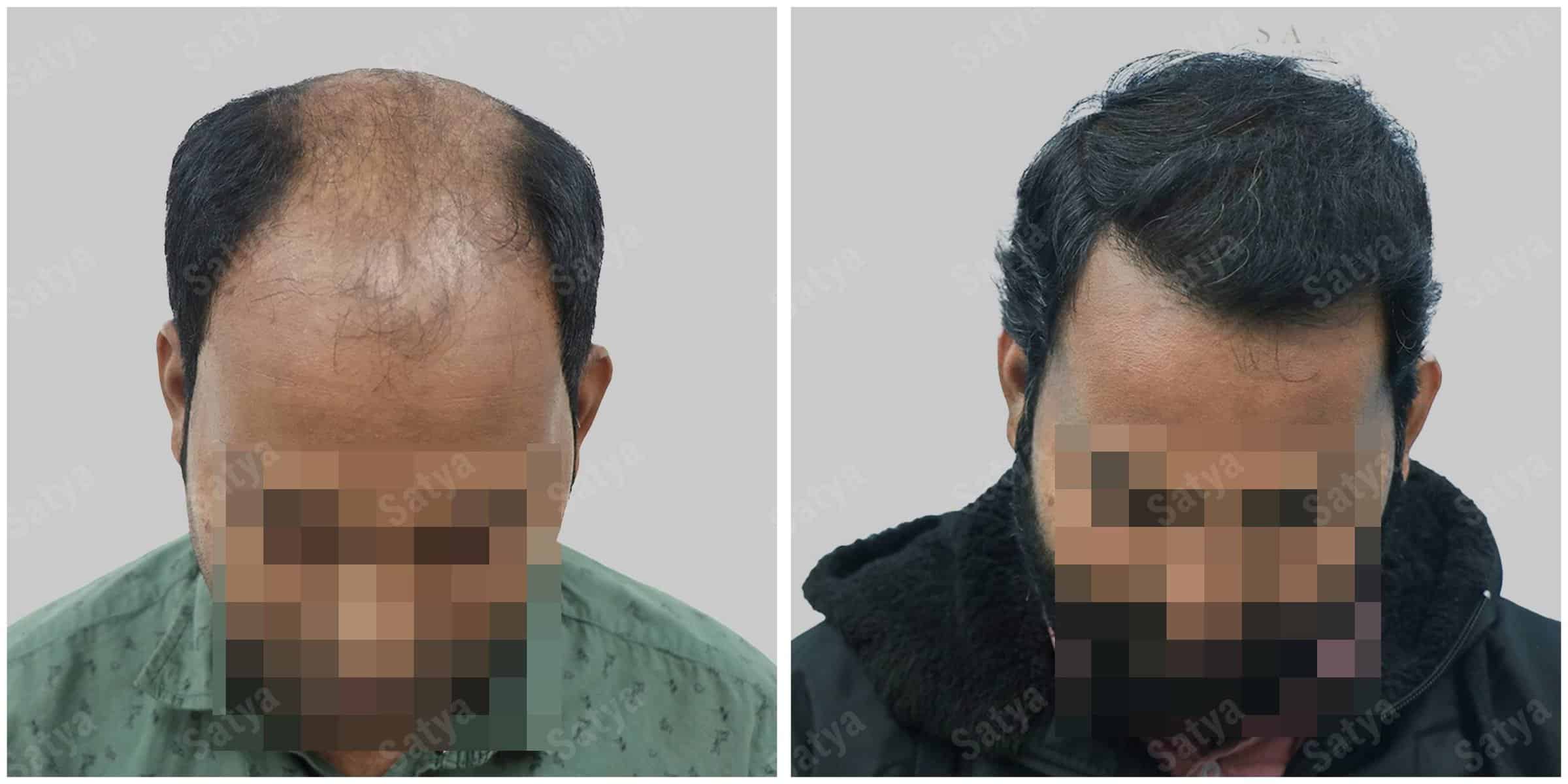
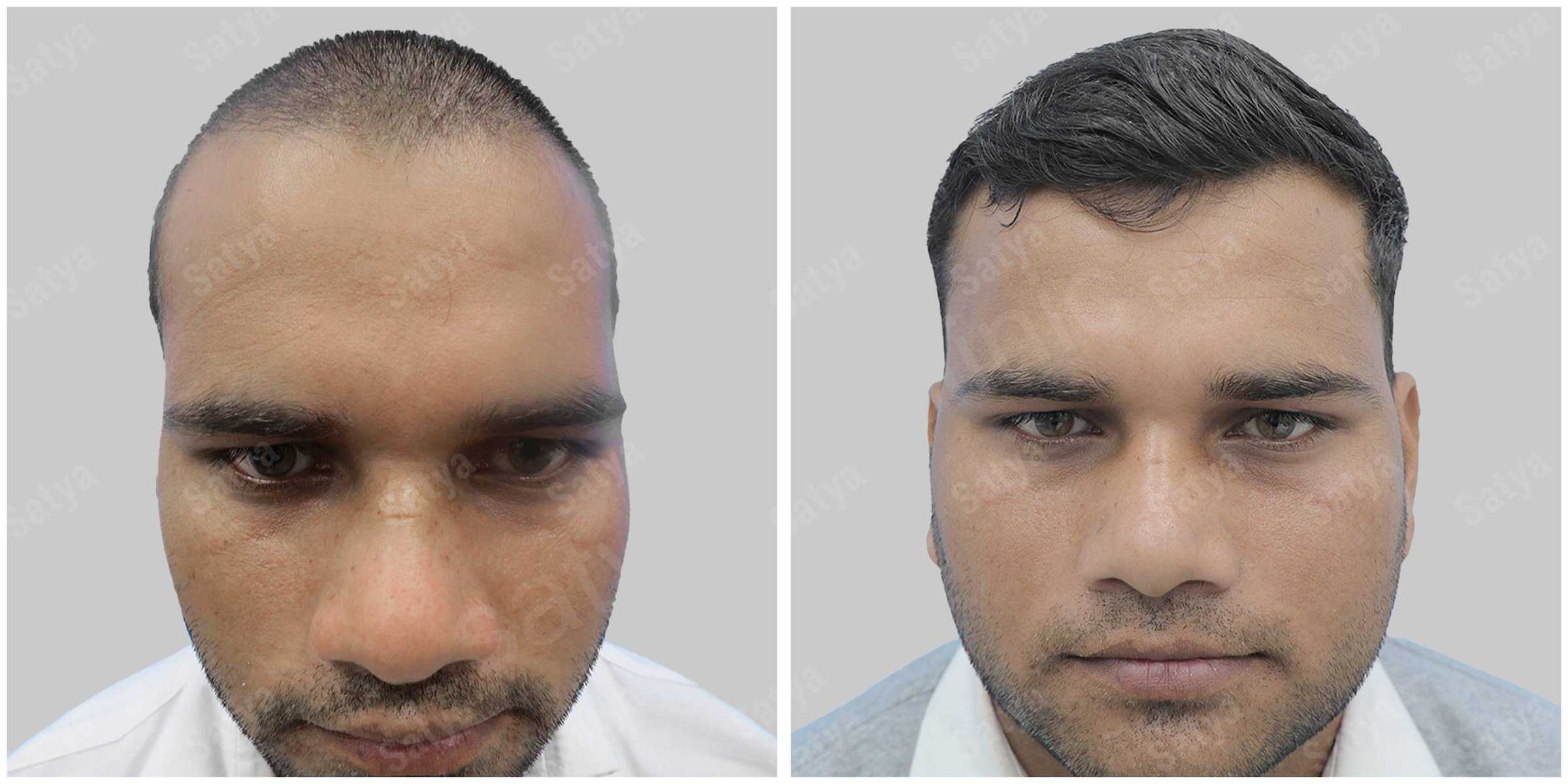
What Is An Artificial Hair Transplant?
The artificial hair transplant is a significant milestone in hair restoration surgery. The process is not the same as a hair transplant because synthetic fibers are inserted into the damaged areas in place of hair follicles. These synthetic hair strands shed 10% annually and have a lifespan of about 7-8 years.
Artificial hairs give a more rooted alternative to natural hair transplants, penetrating deeper into the scalp, which is one of the process’ primary advantages. While natural hair operations depend on hair development time and can take up to 18 months to see results, these hairs give off a natural appearance and deliver instant results.
In a traditional hair transplant, hair follicles from one area of the body—typically the back or sides of the scalp, where hair is genetically resistant to balding—are transplanted to an area—typically the top or front of the scalp—that has no hair or is thinning. This procedure is both surgical and natural.
How is an artificial hair transplant performed?
Is an artificial hair transplant safe?
Yes, to say it simply. The forceful, contentious hair plug surgery from the 1980s is sometimes mistaken for the contemporary procedure, however, they are unrelated.
In addition to being safe, artificial hair transplants work well for people who cannot get a natural transplant, albeit they do require more maintenance than a typical transplant. According to the medical polymer scale, the fibers utilized are of maximum safety grade VI. For safety purposes, the roots can be reversed.
Even though the procedure is called a hair transplant, what’s happening is more like an implant. This is a result of the fact that hair from other body parts is not being transplanted. Rather, the scalp is implanted with alien entities. Patients therefore need to be careful to adhere to aftercare instructions.
95–98% of implants are effective, according to research, whereas 2% of instances required the extraction of fibers because of inflammatory or infectious events. This is why getting a tolerance test prior to surgery is crucial. This ought to be standard procedure in respectable hair salons.
Am I a candidate for an artificial hair transplant?
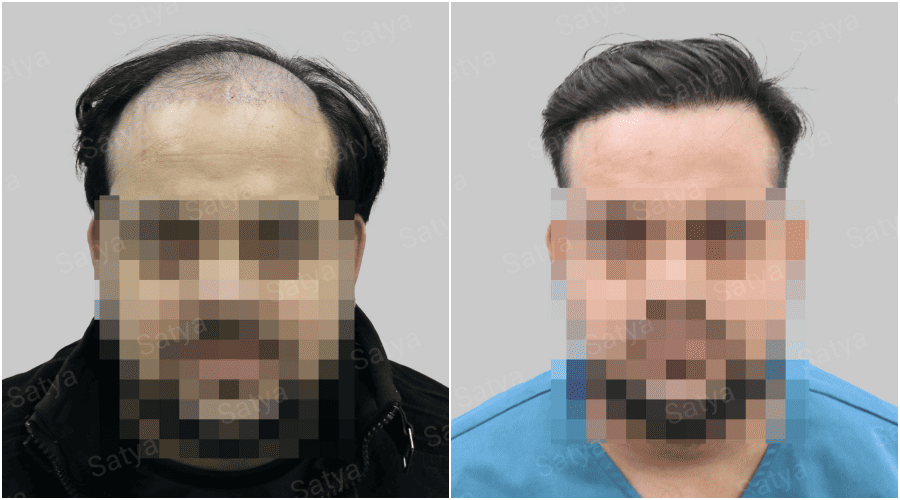
Male pattern and female pattern baldness, as well as certain medical disorders that preclude the possibility of a natural hair transplant, are recommended candidates for artificial hair transplantation.
Individuals with autoimmune disorders including HIV, hepatitis, and lupus, as well as those with scalp problems, would not be candidates for an artificial transplant. This is due to the possibility that these illnesses will complicate the process of recovering after a transplant. Another reason you might not be allowed to undergo the surgery is if you failed the tolerance test beforehand.
You are generally accepted for the surgery if you are:
- normally in good condition and with a healthy scalp
- Finish the tolerance test without showing any emotion
- Are prepared to follow the proper scalp aftercare and hygiene guidelines
- Recognize that to keep the hair in place, you might need to get touch-ups.
Artificial vs. real hair transplants
- The color and texture of your natural hair will precisely match that of your present hair; synthetic hair may resemble it, but it won’t be an identical match.
- Synthetic hair normally cannot be bleached or permanently chemically treated, which can reduce the amount of styling options available.
- Regular top-up treatments are necessary to replace lost hair, which will eventually fall out.
- You may require several treatments if you require a lot of implants, which could delay your recuperation.
- The artificial hair strands cannot regrow if they are cut, so you will have to maintain the same hairstyle.
- You might notice color and texture changes in artificial hair as you get older because it won’t age as naturally as hair does.
Learn more about available hair restoration treatments at Satya Hair Solutions
Book an appoinment
Consultation

Repair
Blog

Galleries