What Causes Sudden Hair Loss in Women?
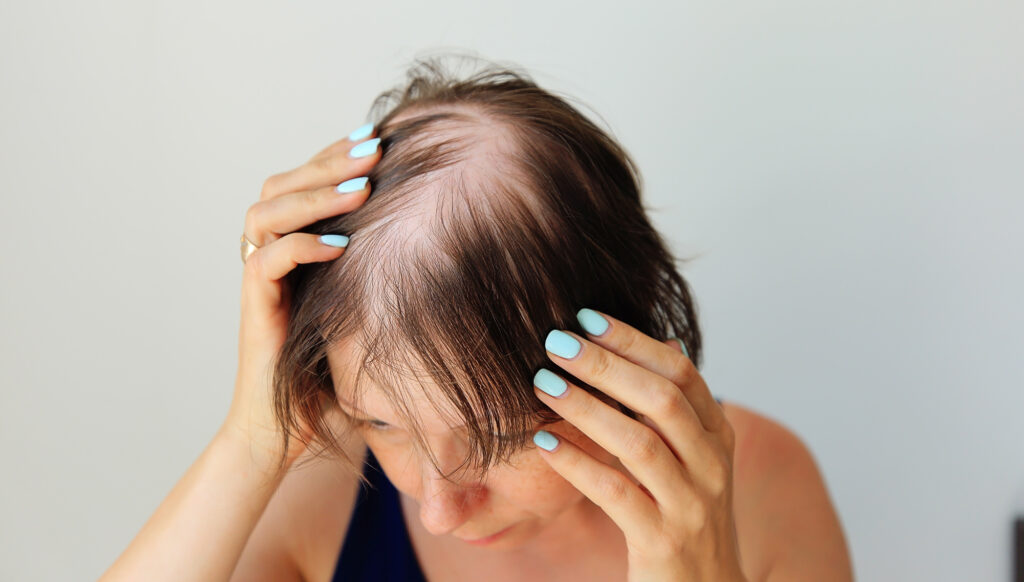
Acute telogen effluvium, the medical term for sudden hair loss in females, can be frightening and upsetting. This disorder causes visible hair thinning and can be brought on by several things, such as hormone imbalances or nutritional deficiencies.
To select the best hair loss treatment, it’s critical to comprehend the underlying causes of any hair loss you may be experiencing.
Sudden Hair Loss Reasons
Hormonal Changes
Hormonal fluctuations can significantly impact the well-being of hair follicles. Due to hormonal variations, women may experience hair loss or noticeable changes in hair density and thickness during pregnancy, childbirth, and menopause.
Another hormonal disorder known as polycystic ovarian syndrome (PCOS) causes androgenetic alopecia in women, which eventually results in more hair loss in women. PCOS is caused by an overabundance of male hormones.
Medical Conditions
You may have hair loss as a result of underlying medical diseases that affect the normal function of hair follicles, such as autoimmune illnesses and thyroid disease. Hair thinning can also be a symptom of hyperthyroidism and hypothyroidism.
Patchy hair loss is the outcome of autoimmune illnesses like alopecia areata, in which the body’s immune system attacks hair follicles by mistake. Effectively treating these medical issues can help stop or lessen hair loss.
Medications and Treatments
Hormone imbalances brought on by birth control medications can cause thinning hair in certain women.
Due to their effects on rapidly dividing cells, including hair follicles, treatments like chemotherapy and radiation therapy, which are frequently used in cancer treatment, can cause quick and obvious hair loss.
Nutritional Deficiencies
Because hair follicles need a variety of vitamins and minerals to sustain hair growth, nutritional deficits have a direct impact on hair health.
For example, low iron levels are associated with hair thinning and loss, while low protein intake might deteriorate hair strands. To address hair loss and encourage healthy hair development, it is imperative to make sure that one is consuming enough zinc, vitamin D, and B vitamins.
Stress and Trauma
Stress, whether mental or physical, can interfere with the regular cycle of hair development and cause hair follicles to enter the resting phase too soon. Telogen effluvium is the name of the condition that causes abrupt, visible hair loss.
Knowing The Cycle Of Hair Growth
The process of growing hair is dynamic and cyclical, with three unique phases: anagen, catagen, and telogen. You can better understand why you notice hair loss and when to seek therapy for hair loss if you are aware of these cycles.
Anagen (Growth Phase)
Hair follicles push out hair during this vigorous period of hair growth, which lasts until the hair reaches its maximum length.
Catagen (Transition Phase)
This brief stage, which lasts for two to three weeks, marks the conclusion of a hair’s active growth. The hair follicle shrinks and separates from the dermal papilla during this phase.
Telogen (Resting Phase)
Hair rests or sheds during this phase, which lasts for around three months. New hair starts to develop after this phase when the hair follicle returns to the anagen phase.
Alopecia and telogen effluvium, two disorders marked by thinning and increased hair shedding, can be caused by disturbances in these cycles, namely the early transition of hair from the anagen to the telogen phase.
Types of Hair Loss in Female
Female Pattern Hair Loss
Female pattern baldness, sometimes referred to as androgenetic alopecia, is the most prevalent kind of hair loss in women and usually shows up as a progressive thinning of the hair. Hormonal fluctuations, ageing, and heredity are the main causes of this illness.
Traction Alopecia
Tight hairstyles cause constant dragging on the hair shafts, which causes this form of mechanical hair loss. Hair loss results from the constant tension’s impact on the hair follicles.
Alopecia Areata
This autoimmune illness causes hair to fall out in small, circular patches that can become rather apparent when the immune system unintentionally targets the hair follicles.
Alopecia totalis, or total hair loss on the scalp, and alopecia universalis, or entire hair loss, are possible outcomes of this disorder.
Management Methods For Sudden Hair Loss

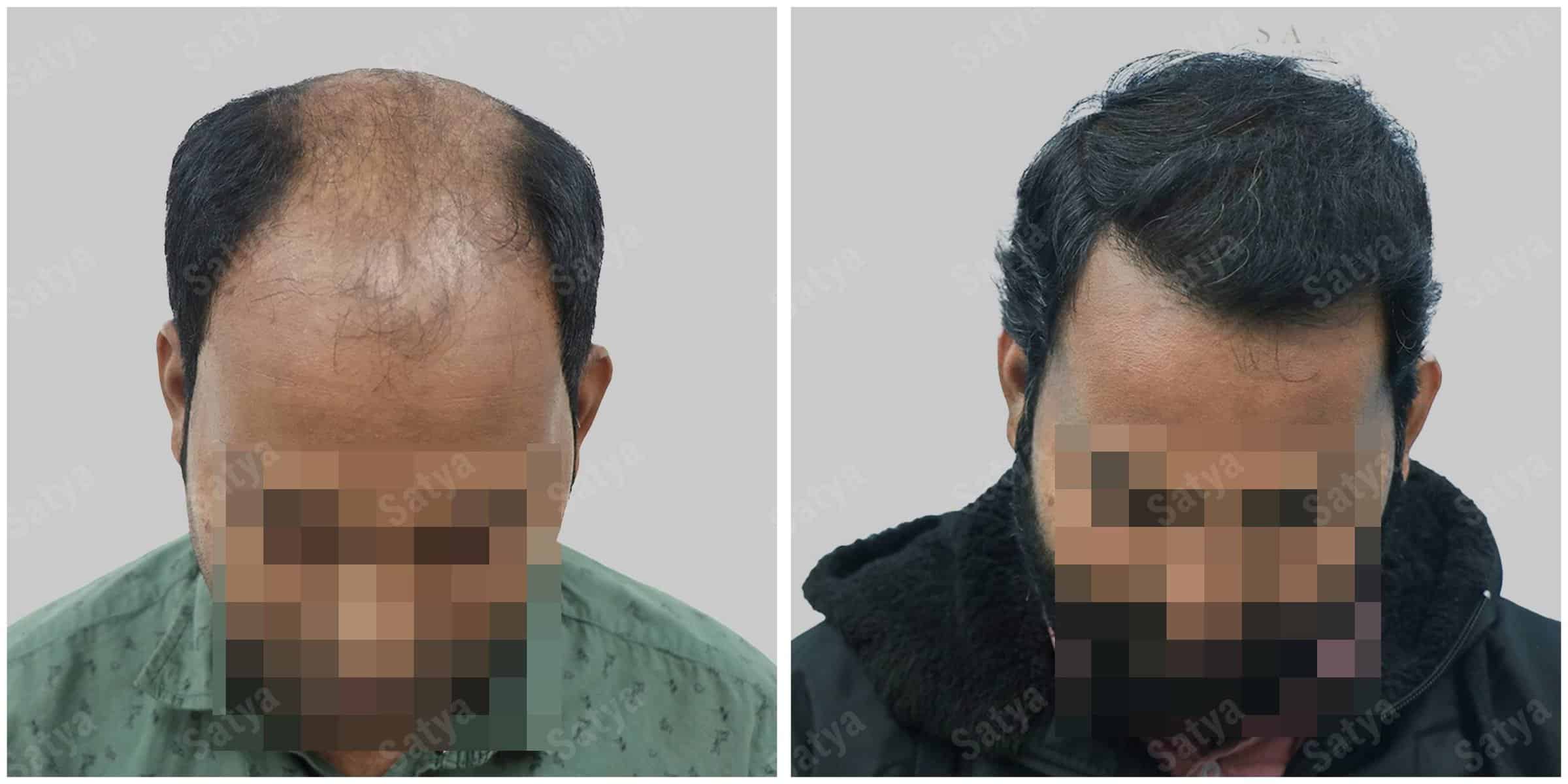
At Satya Hair Solutions, we offer various treatments to aid with managing sudden hair loss.
Mesotherapy
With this therapy, nourishing chemicals are injected directly into the scalp to support and improve the health of hair follicles and promote hair growth.
Low-Level Laser Therapy (LLLT)
By stimulating hair follicles with light wavelengths, this non-invasive therapy increases blood flow and hair density. To encourage hair follicles to return to a healthier and more active growth phase, LLLT can help reverse the process that causes them to shrink.
Hair Transplant
Follicular Unit Extraction (FUE) hair transplant is one therapy method that can provide a more permanent cure for hair loss in some circumstances.
Taking care of underlying medical conditions, maintaining a balanced diet, and speaking with medical professionals can all aid in the management of hair loss.
Book an appointment
Consultation

Repair

Blog

Galleries

Frequently Asked Questions
Yes, it is frequently possible to stop abrupt hair loss, particularly if it is brought on by transient conditions like stress or dietary deficiencies. Hair usually grows back with effective treatment and treating the underlying problems.
More hair on your pillow when you wake up, more hair in your shower drain and more hair than usual left in your brush are all common indicators of oncoming hair loss. Early warning signs may also include diffuse hair thinning throughout the scalp or thinning hair at the hairline.
Yes, a healthy diet is really important for hair health. Hair loss may result from a deficiency in minerals including iron, protein, and vitamins B and D. A balanced diet high in these nutrients can assist in fortifying hair follicles and possibly stop additional hair loss.
Results